
Flashing 101: What Is Roof Flashing, and Why Is It Responsible for 80% of Roof Leaks?
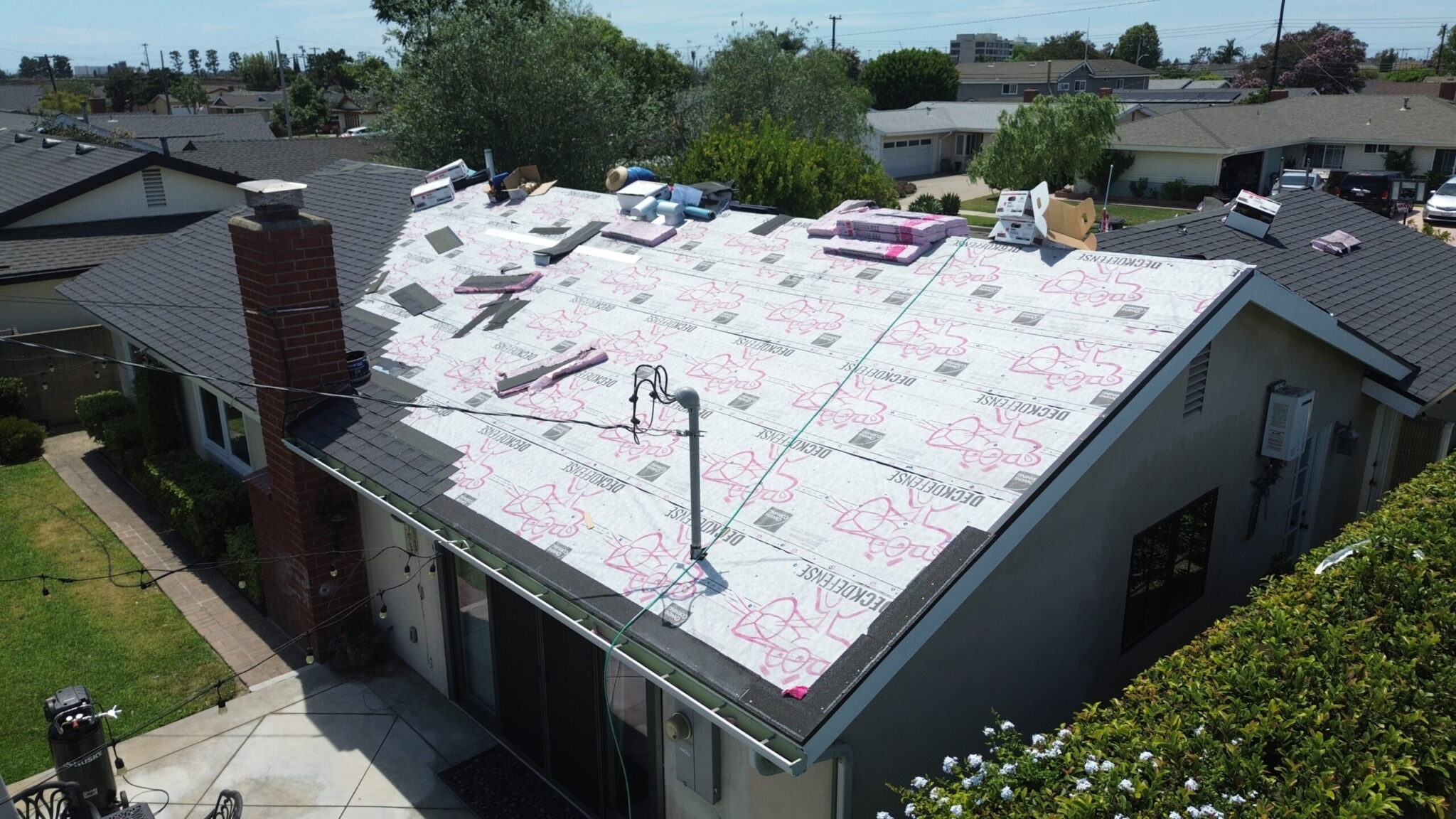
When homeowners discover a water stain spreading across their ceiling, they often assume a broken shingle or damaged tile is to blame. However, experienced roofers know the real culprit usually lies elsewhere. Up to 80% of residential water intrusion stems from compromised roof flashing.
Understanding what is roof flashing and how it functions can help you identify subtle vulnerabilities before minor water penetration causes severe structural rot.
What Is Roof Flashing?
Roof flashing is a thin layer of weather-resistant material—typically galvanized steel, aluminum, or copper—installed at intersections, joints, and projections across your roofline.
While shingles and tiles cover large, flat sections of your roof, they cannot create a watertight seal around sharp angles or vertical fixtures. Roof flashing bridges these gaps, acting as a channel that safely diverts water away from vulnerable seams and down toward your gutters.
Key Areas Where Roof Flashing Is Installed
Whenever two different surfaces meet on a roof, roof flashing is necessary to prevent water from working its way underneath the roofing material. Common application areas include:
Chimneys: Counter-flashing and step-flashing wrap around masonry bases to block water runoff.
Skylights: Interlocking metal strips seal the perimeter where window frames meet the roof deck.
Plumbing Vents & Pipes: Rubber-booted metal sleeves fit over pipe penetrations protruding through shingles.
Roof Valleys: Broad metal channels line the internal angles where two roof slopes meet, handling high-volume water flow.
Drip Edges: Metal strips installed along the edges of the roof direct water away from fascia boards.
Why Roof Flashing Causes 80% of Roof Leaks
Because roof flashing is intentionally placed in high-risk zones where water naturally accumulates or flows in heavy volume, it bears the highest level of weather exposure. Several factors lead to flashing failure:
Thermal Expansion and Contraction: Metal expands during warm weather and contracts during cold snaps. Over time, this constant movement loosens fasteners, pulls caulking away, and creates tiny gaps for water to enter.
Corrosion and Deterioration: Exposure to acidic rain, salty coastal air, and moisture causes galvanized steel to rust and thin out, eventually wearing holes through the metal.
Dried or Cracked Sealants: High-grade roofing cement and caulk are often used to seal flashing edges. UV exposure dries out these sealants, causing them to crack and crumble within a few years.
Improper Installation: If flashing is incorrectly lapped or nailed in the wrong location during installation, gravity will pull water directly into your home rather than shedding it away.
Signs Your Roof Flashing Is Damaged
Detecting failing roof flashing early prevents costly interior repairs. Look out for these warning signs during visual inspections:
Visible Rust or Corrosion: Reddish discoloration or pitting on exposed metal channels.
Wrinkled or Lifted Metal: Bends or loose gaps along chimney seams and sidewalls.
Dried or Missing Caulk: Flaked sealant around skylight frames and pipe boots.
Water Stains on Ceilings: Water spots appearing directly below roof valleys, chimneys, or exterior walls.
How to Maintain and Protect Your Flashing
Preventing leaks caused by failing roof flashing requires simple, consistent maintenance:
Perform Seasonal Checks: Inspect metal seams every spring and fall, as well as after major wind or rain storms.
Reseal Minor Gaps: Reapply high-grade exterior roofing sealant around worn joints before small cracks widen.
Schedule Professional Inspections: Have a licensed roofing contractor evaluate hidden flashing underlayment during routine maintenance visits.
Protect Your Home from Flashing Leaks
A roof is only as strong as its weakest joint. Keeping your roof flashing properly sealed and intact is essential for preserving the lifespan of your roof deck and keeping your ceiling dry. If you suspect your flashing has rusted, lifted, or started leaking, contact a licensed professional to inspect your roof today.
We are here to help

Or call us : 714-668-0757
Info@certifiedroofingspecialists.net
Solar: Solar@certifiedroofingspecialists.net
Our Hours
Mon-Friday: 8-5pm
Saturday: 8-2pm
Sunday: Closed